Autonomous AI agents, open source, and who merges what they do
The open-source AI Operating System
Autonomous AI agents start work with nobody present: a schedule slot, a signed webhook, an app event, or a monitor command that prints. Kortix is the open-source AI Operating System, and every run it starts lands as a change request a person reads and merges.
Change requests a person merges · Approval gates you set, off until you set them · Any model, your keys
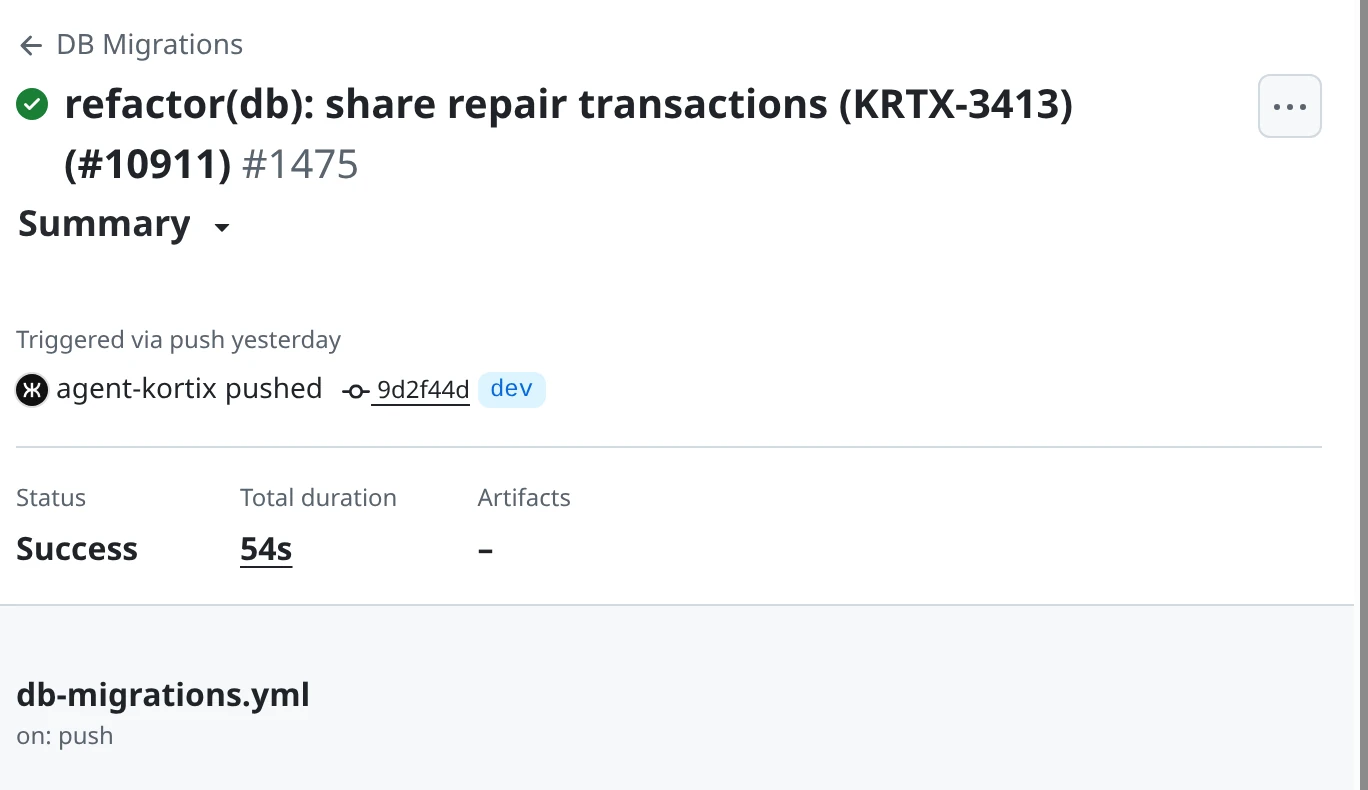
Session work reaches main through a change request. Merge is default-deny for agents.
Which open source autonomous AI agent fits my team?
It depends on who runs it. A team that writes code and nothing else is well served by OpenHands, the self-hosted control center for coding agents and automations. One person who wants a chat assistant on their own machine picks OpenClaw. A solo operator who works in a shell and switches models by command takes Hermes. A company that wants the agent's rules, memory and connectors as versioned files, with a person merging the work, runs Kortix.
The open source options differ on where the rules live and who signs off the result.
kortix.yaml, agents, skills, memory and triggers.hermes model switches it."Not stated" means that option's own README, or Microsoft's Copilot Studio page, does not describe the row. Copilot Studio bills autonomous agent work per action in Copilot Credits.
What jobs can an autonomous AI agent run on its own?
Four runs, each told in full on autonomous agent examples.
- Daily digest. Yesterday, summarised before you sit down. A cron trigger on weekday mornings collects commits and open change requests into one page.
- Webhook intake. A form submission becomes a CRM record. A signed POST reaches the trigger's URL and the lead lands in the CRM with its source attached.
- Pull-request review. A diff gets its first read. A new pull request starts a session that comments on the diff and flags the failing test.
- Monitor. One command, watched all day. A monitor trigger starts a session when the command prints, so a filling disk gets a change request.
What else do people ask about autonomous AI agents?
Autonomous AI agents are agents that start work with nobody present: a schedule slot arrives, a signed request reaches a URL, an app event fires, or a monitor command prints. Each run is a session on its own machine, and it ends in work a person can read.
A trigger starts a session and the agent runs the prompt attached to it. The trigger fires on a schedule slot, a signed POST, an app event or a monitor line, and each fire renders the prompt against the payload it received.
An AI agent answers the request you make; an autonomous agent starts on its own, from a schedule or an event. Snowflake describes them as staying engaged with an outcome, tracking progress and adapting over time, rather than completing one action and waiting.
Only with gates around the run. Set each tool call to allow, ask or block, cap runs per hour, and keep merge with a person, and a run that goes wrong lands nowhere.
A weekday digest of commits and open change requests, a signed-webhook intake that writes a CRM record, a pull-request review that comments on the diff, and a monitor that reacts to one command's output. All four run on a trigger with nobody watching.
One trigger, one policy file, one person who merges.
Start with the definition of autonomous AI agents, the open-source options, or a run with nobody watching.